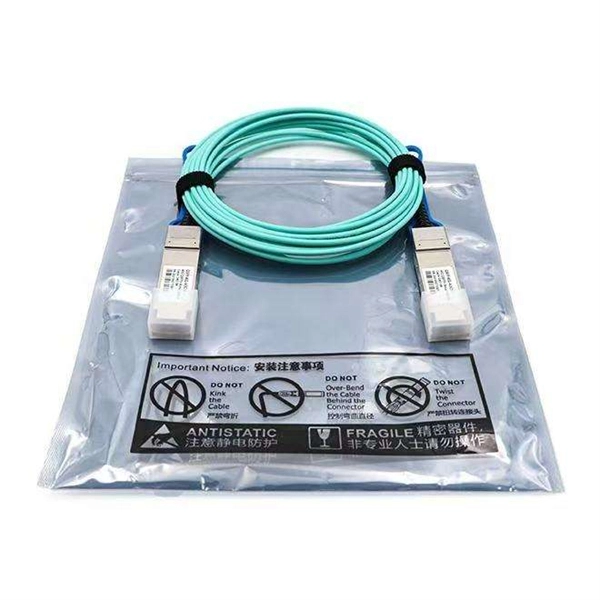
Telecommunications network fiber optic cable connection
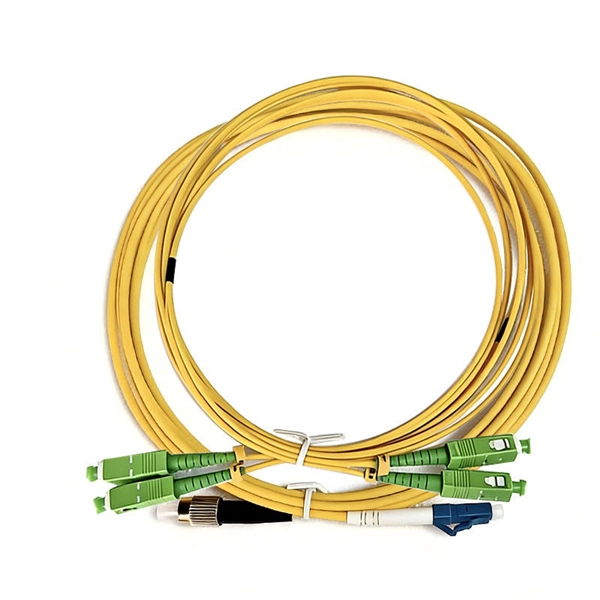
Fiber optic cables transmit data as light pulses, offering high-speed, long-distance, and interference-resistant communication for modern telecommunications networks.Overview of Fiber Optic TransmissionFiber optic communication uses pulses of light to carry information through optical fibers, replacing traditional electrical signals used in copper cables ( ). This method is preferred for applications requiring high bandwidth, long-distance transmission, and immunity to electromagnetic interference (EMI) ( ). Fiber optics are widely used in telephone networks, internet backbones, cable television, and 5G infrastructure ( ).Structure of Fiber Optic CablesA typical fiber optic cable consists of three main layers ( ):Core: The innermost part, made of glass or plastic, where light travels. Its diameter varies depending on fiber type: single-mode fibers (≈9 µm) for long distances and multi-mode fibers (50–62.5 µm) for shorter distances.Cladding: Surrounds the core and has a lower refractive index, reflecting light back into the core to maintain signal integrity through total internal reflection.Protective Coating: Shields the fiber from physical damage, moisture, and environmental stress.Principles of TransmissionFiber optic transmission relies on total internal reflection, which confines light within the core, allowing it to travel long distances with minimal signal loss ( ). Data is transmitted as binary light pulses, representing digital information (1s and 0s). Signal quality depends on factors such as attenuation, dispersion, and wavelength selection. Common transmission windows include 850 nm, 1310 nm, and 1550 nm for optimal performance ( ).Advantages Over Copper and Wireless SystemsFiber optics offer several key benefits compared to copper cables and wireless communication ( ):High Bandwidth: Supports terabits per second, far exceeding copper capabilities.Long-Distance Transmission: Signals can travel hundreds of kilometers with minimal loss using repeaters or amplifiers.EMI Immunity: Not affected by electromagnetic noise, ensuring stable and secure communication.Enhanced Security: Difficult to tap without detection, reducing the risk of data breaches.Low Latency: Ideal for real-time applications like video conferencing and cloud services.Types of FiberSingle-Mode Fiber (SMF): Optimized for long-distance, high-speed networks, commonly used in telecommunications backbones.Multi-Mode Fiber (MMF): Suitable for shorter distances, such as within buildings or data centers, offering cost-effective deployment ( ).ApplicationsFiber optic cables are integral to modern telecommunications, including:Internet and broadband networksTelephone and VoIP systemsCable televisionData centers and enterprise networksMedical, defense, and industrial sensing applications ( ) Fiber optics have revolutionized network infrastructure by providing faster, more reliable, and secure data transmission, making them the backbone of modern communication systems ( ).