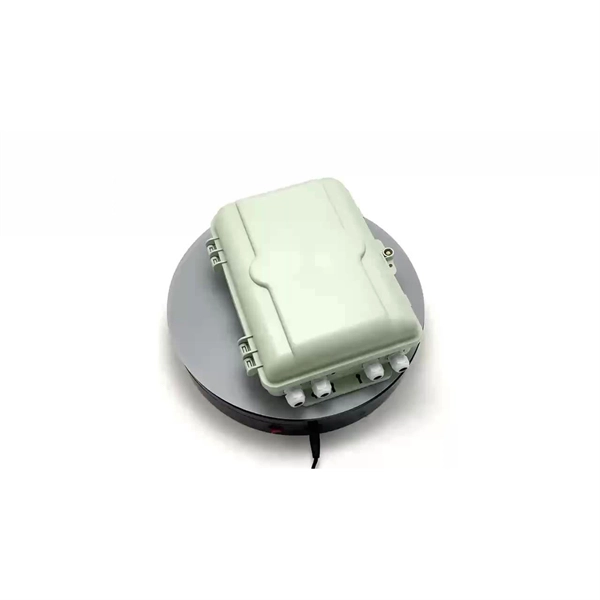
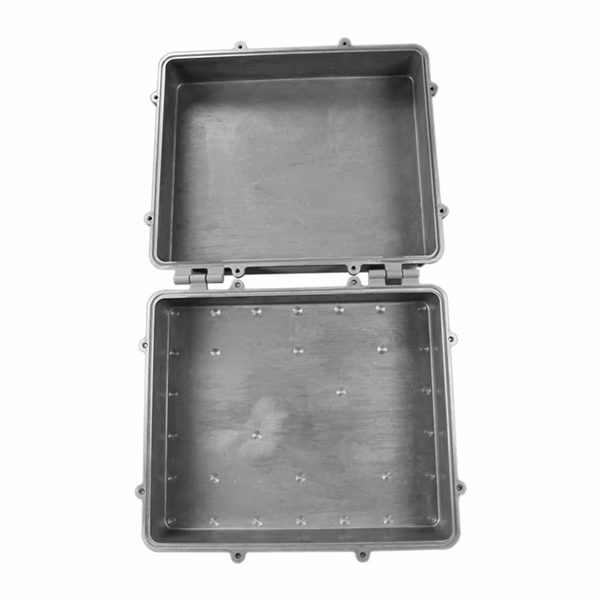
Intelligent Relay Protection Grid Wiring Frame
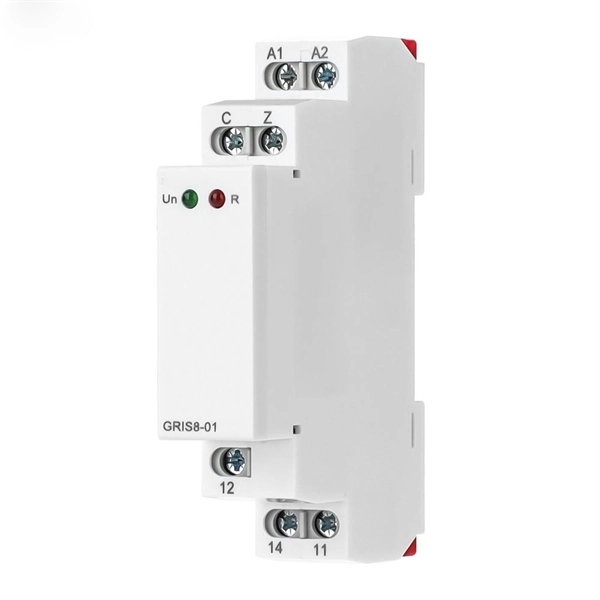
An intelligent relay protection grid wiring frame integrates adaptive relays, communication protocols, and coordinated schematics to ensure rapid fault detection and isolation in smart grids.Overview of Intelligent Relay ProtectionIntelligent relay protection systems are designed to detect, isolate, and mitigate faults in power grids, safeguarding components such as transformers, feeders, and transmission lines while maintaining grid stability . Unlike traditional relays, intelligent relays incorporate microprocessor-based logic, adaptive algorithms, and communication interfaces to respond quickly to complex fault conditions in modern grids dominated by renewable energy and power electronics .Wiring and Schematic FrameworkThe wiring frame of an intelligent relay system typically includes:AC and DC schematics for power supply and control circuits.Logic diagrams showing relay input-output relationships and tripping logic.Single-line diagrams representing the functional connections between relays, circuit breakers, and grid components .Communication wiring for IEC 61850 or other digital protocols, enabling real-time data exchange between relays and control centers . Schematics emphasize functional relationships rather than physical layout, facilitating installation, testing, and maintenance. They show which inputs trigger relay actions and how contacts interact to isolate faults efficiently .Adaptive and Intelligent FeaturesModern intelligent relays integrate adaptive protection algorithms and self-healing capabilities:Fault detection algorithms (e.g., XGBoost-based) improve accuracy for short circuits, overloads, grounding, and line faults, achieving detection rates above 95% with minimal false alarms .Automatic isolation of faulty sections occurs within milliseconds (e.g., 25 ms), minimizing disruption to healthy parts of the grid .Distributed control systems allow relays to coordinate across multiple grid sections, enhancing reliability in low-inertia, power-electronics-dominated networks .Practical ImplementationDevices like Siemens SIPROTEC series provide modular solutions for medium- and high-voltage grids, supporting:Line differential and distance protection with 1-pole or 3-pole tripping.Flexible I/O structures for tailored applications.IEC 61850 support for digital communication and integration with SCADA systems .Fast tripping times (as low as 9–19 ms) to ensure rapid fault clearance . The wiring frame must accommodate both power and communication circuits, ensuring that relays can operate autonomously while exchanging real-time data for coordinated protection.Key ConsiderationsCoordination: Relays must be configured to avoid misoperation and ensure selective tripping.Redundancy: Critical circuits often include backup relays and communication paths.Standards compliance: IEC 61850 and other international standards guide wiring, communication, and interoperability.Scalability: The system should support future integration of distributed generation and renewable energy sources .ConclusionAn intelligent relay protection grid wiring frame combines schematic clarity, adaptive algorithms, and digital communication to enhance grid safety and reliability. Proper design ensures rapid fault detection, selective isolation, and seamless integration with modern smart grid infrastructure, making it essential for both medium- and high-voltage applications .