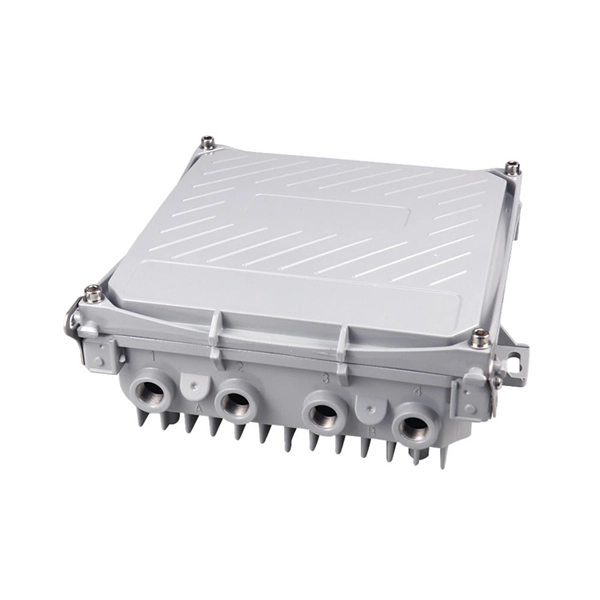
Does the distribution box need to be opened for inspection
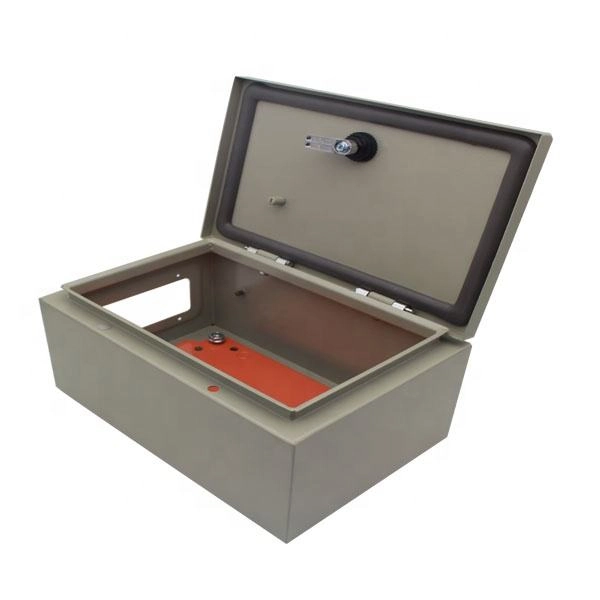
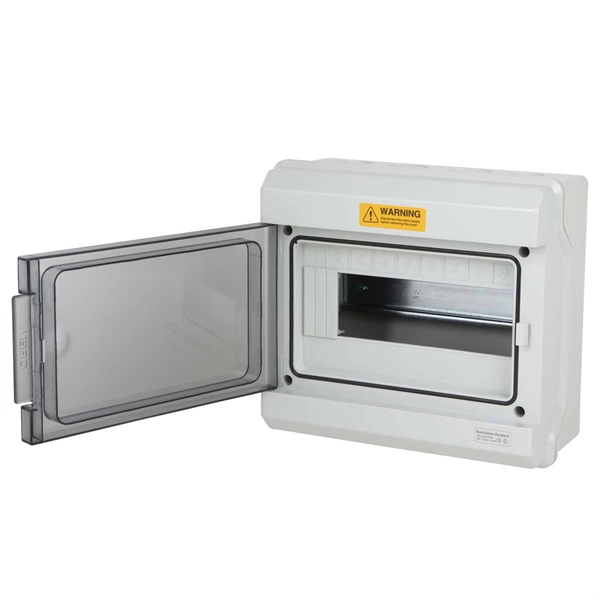
Yes, a distribution box often needs to be opened for a thorough inspection, but only by qualified personnel following proper safety procedures.When Opening is NecessaryOpening a distribution box is essential to inspect internal components such as circuit breakers, wiring connections, surge protection devices, and grounding systems. This allows detection of issues like burnt wiring, loose connections, corrosion, or double-tapped breakers that cannot be seen from the outside . Preventive maintenance checklists recommend opening the box to clean dust, test insulation resistance, and verify proper operation of all components .Safety ConsiderationsOnly qualified electricians or trained inspectors should open a distribution box. Safety precautions include wearing personal protective equipment (PPE) such as insulated gloves, safety glasses, and arc flash protection, and following lockout/tagout procedures when de-energizing the panel . In some cases, thermal imaging can be used as a non-intrusive method to detect potential issues without opening the box .ExceptionsA distribution box may not be opened if:The panel is inaccessible or removal could damage propertySafety risks are too high for the inspector or others presentCovers are painted, caulked, or otherwise difficult to remove safely In such cases, a visual inspection of the exterior and any accessible components is performed, and any suspected defects should be referred to a licensed electrician .Regulatory and Compliance NotesInspections should comply with NFPA 70, NFPA 70E, and OSHA standards, which outline safe work practices, equipment accessibility, and inspection requirements . Proper documentation of findings, maintenance, and repairs is also recommended for compliance and future reference .SummaryOpening a distribution box is generally required for a complete inspection to ensure safety, functionality, and compliance. However, it must be done safely by qualified personnel, and exceptions exist when access or safety concerns prevent opening. Regular inspections, whether visual or internal, help prevent electrical hazards and maintain system reliability .