Procurement of 10G Passive Optical Network
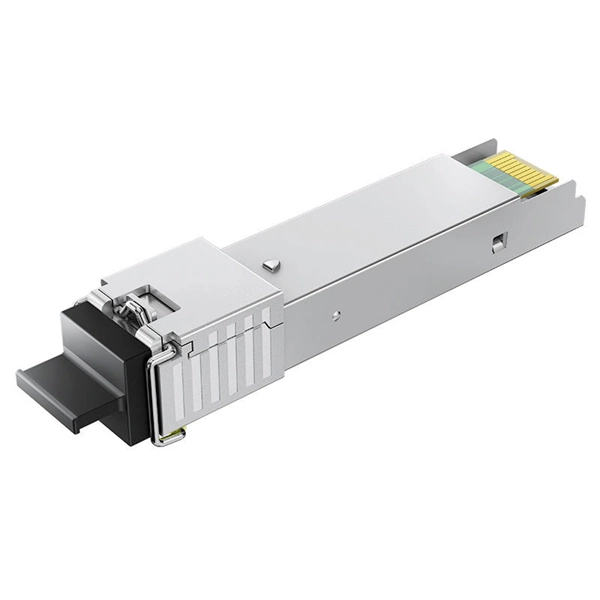
Procurement of 10G PON requires evaluating technology type, vendor certification, interoperability, supply chain resilience, and alignment with future network scalability.Market OverviewThe 10G PON market is experiencing robust growth due to increasing demand for high-bandwidth connectivity, cloud services, remote work, and 5G network backhaul and fronthaul infrastructure. The market is projected to grow from USD 1.1 billion in 2024 to approximately USD 1.82 billion by 2032, driven by FTTx deployments, enterprise digital transformation, and government broadband initiatives . Key 10G PON technologies include XGS-PON, XG-PON, and 10G EPON, offering symmetrical gigabit speeds, low latency, and scalable network architectures .Technical ConsiderationsWhen procuring 10G PON equipment, consider the following:Technology Type: Choose between XGS-PON, XG-PON, or 10G EPON based on network requirements, existing infrastructure, and future scalability .Optical Modules: Evaluate 10GbE SFP+ or equivalent transceivers for compatibility with switches, routers, and servers. Ensure support for multi-vendor interoperability, Digital Diagnostic Monitoring (DDM/DOM), and proper firmware alignment .Fiber Type: Determine whether single-mode fiber (SMF) or multi-mode fiber (MMF) is required, considering reach distance and optical budget margins .Network Integration: Ensure modules and PON equipment are compatible with existing GPON or XGS-PON deployments to avoid interoperability issues .Vendor and Certification10G Interoperability Certification (10G-IOA): Products certified under MIIT's 10G-PON pilot program are recognized globally and are often mandatory for international procurement tenders .Vendor Selection: Prioritize suppliers with proven track records in large-scale deployments, robust supply chains, and compliance with international standards .Supply Chain Resilience: Diversify sourcing to mitigate risks from tariffs, component shortages, or regional disruptions .Strategic Procurement PracticesLifecycle Planning: Consider long-term operational reliability, warranty, and RMA policies to minimize total cost of ownership .Software-Defined Management: Leverage software-defined networking (SDN) and network function virtualization (NFV) for automated provisioning, diagnostics, and service assurance .Regulatory Alignment: Ensure compliance with local and international broadband regulations and incentives, which can accelerate deployment and reduce costs .Future-Proofing: Plan for eventual upgrades to 25G/50G PON or higher-speed networks to maximize investment value .Deployment and Operational ConsiderationsFTTx Applications: 10G PON supports Fiber-to-the-Home (FTTH), Fiber-to-the-Building (FTTB), and Fiber-to-the-Room (FTTR) deployments .Enterprise and Mobile Backhaul: Ideal for high-capacity enterprise uplinks and 5G mobile fronthaul .Environmental and Cost Benefits: Passive architectures reduce reliance on powered nodes, lowering energy consumption and operational costs .SummaryEffective procurement of 10G PON involves a holistic approach that balances technical specifications, vendor certification, interoperability, supply chain resilience, and strategic alignment with future network growth. Leveraging certified modules, planning for software-defined management, and aligning with regulatory incentives ensures a cost-effective, scalable, and future-ready broadband infrastructure.