Full set of cable tray qualifications
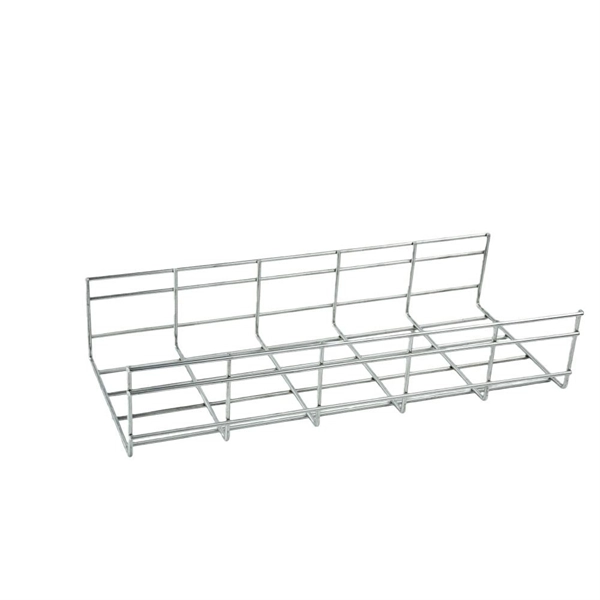
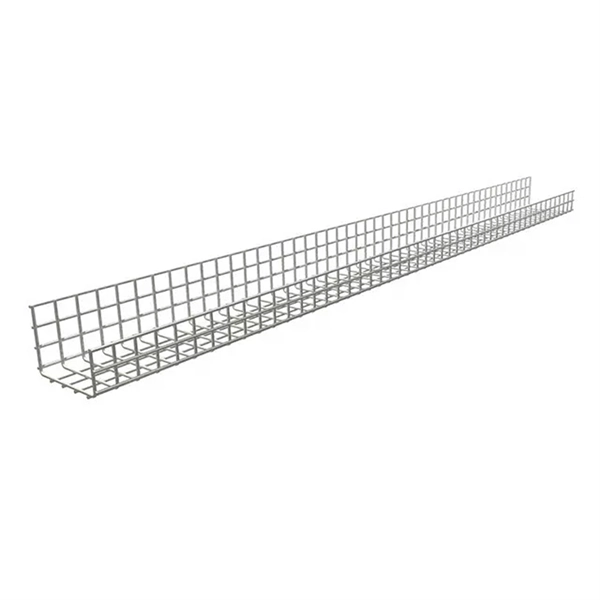
Cable tray systems must comply with international and national standards such as IEC 61537, NEMA VE 1/VE 2, UL 568, and relevant national conformity marks to ensure mechanical, electrical, and fire safety.International StandardsIEC 61537 is the primary international standard for metallic cable tray systems. It specifies requirements for construction, mechanical strength, corrosion resistance, electrical continuity, fire performance, ventilation, fill ratio, and installation compatibility. The standard applies to trays made of steel, stainless steel, aluminum, or other metallic materials and ensures that trays can safely support cable loads and environmental stresses over time . Compliance with IEC 61537 is often required for manufacturers to supply trays in international markets and helps reduce electrical hazards and system failures .North American StandardsIn North America, NEMA VE 1 and VE 2 provide guidelines for metallic and non-metallic cable trays, respectively. NEMA VE 1 covers manufacturing requirements for ladder, ventilated, solid-bottom, single-rail, wire mesh, and channel trays, including load/span class designations and installation practices in accordance with the National Electrical Code (NEC) . NEMA VE 2 addresses non-metallic trays and fittings, ensuring compliance with the Canadian Electrical Code (CEC) and NEC. UL 568 specifies construction and testing requirements for continuous non-metallic systems, including ladder, ventilated, and solid-bottom trays .European and National ConformityCable trays in Europe must meet CE marking requirements, demonstrating compliance with relevant European directives. Third-party certification bodies such as LCIE, IMQ, or VDE verify compliance through audits and testing . National marks of conformity (e.g., TSE, GOST, NEMA) indicate adherence to local standards and safety regulations . These certifications cover mechanical strength, electrical continuity, corrosion resistance, and fire performance.Key Performance CriteriaMechanical Strength – Trays must withstand cable weight, environmental loads, and external pressure, validated through load testing .Electrical Continuity – Metallic trays often serve as grounding paths; standards require continuity testing .Fire Resistance – Standards like DIN 4012-12 specify fire performance to maintain circuit integrity in critical installations .Corrosion Resistance – Appropriate coatings or materials are required for harsh environments, including marine or chemical exposure .Ventilation and Fill Ratio – Proper perforation and fill capacity prevent overheating and ensure cable longevity .Installation Compatibility – Trays must accommodate bends, risers, and accessories for seamless integration .Quality and Safety ManagementManufacturers often follow ISO 9001 for quality management and ISO 45001 for occupational health and safety, ensuring consistent product quality and safe installation practices . Continuous improvement processes address environmental impact, energy efficiency, and waste reduction.SummaryTo qualify a cable tray system, it must meet mechanical, electrical, fire, and corrosion standards defined by IEC, NEMA, UL, and national conformity marks. Compliance ensures safe, reliable, and durable cable management, reduces the risk of electrical hazards, and supports regulatory and project requirements .