Inspection Procedures for Explosion-proof Distribution Boxes
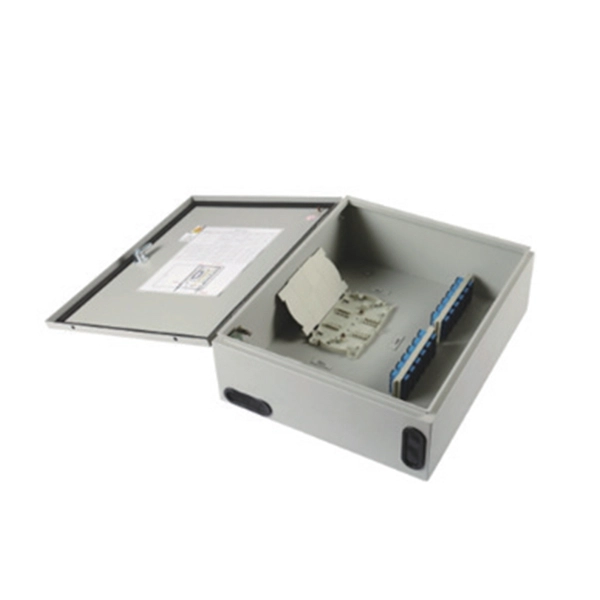
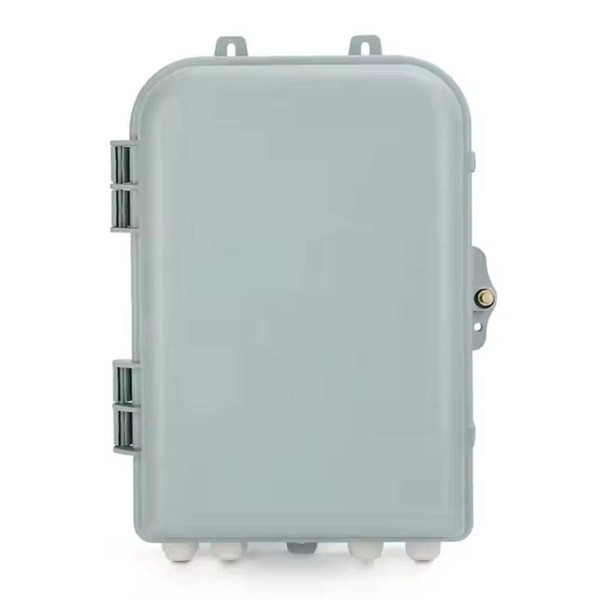
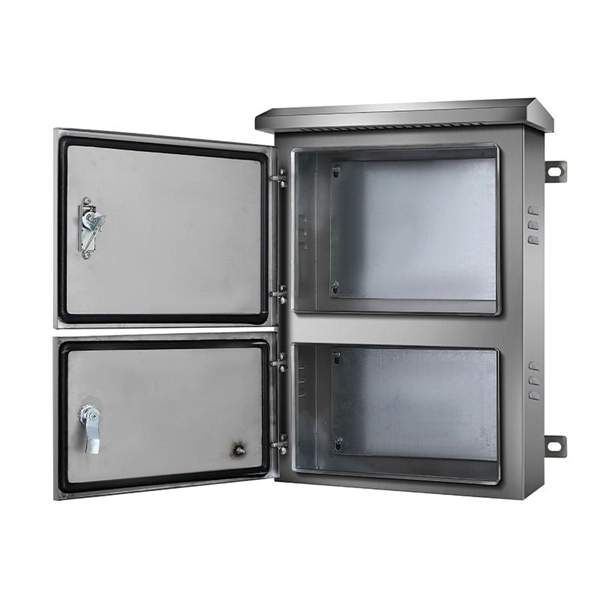
Inspection of explosion-proof distribution boxes ensures safety, compliance, and operational reliability in hazardous environments.Key Inspection PointsVisual and Mechanical Checks: Inspect the enclosure for scratches, dents, corrosion, or any physical damage. Ensure that covers, latches, and hinges operate smoothly and lock securely. Check gaskets and sealing rings for cracks, hardening, or wear, and replace them if necessary to maintain the enclosure's integrity . Confirm that all labels, certification plates, and markings are legible and comply with standards such as ATEX, IECEx, or NEMA . Material and Construction Verification: Ensure the distribution box is made of robust materials like stainless steel (Baosteel 304 or above), aluminum, or GRP, with a minimum thickness of 4 mm for stainless steel boxes . Verify that cable glands, adapters, and blanking plugs maintain the enclosure's protection rating and are properly tightened . Electrical and Wiring Checks: Inspect internal wiring for corrosion, loose terminations, or unauthorized modifications. Ensure that wiring is neatly arranged, tied into bundles, and that switch terminals match the wire cross-section. Verify that electrical clearances, creepage distances, and insulation withstand voltage meet the component specifications . Check grounding points and continuity using a handheld meter . Certification and Compliance: Confirm that all installed components match the certification requirements and are suitable for the specific hazardous location (EPL/zone). Verify temperature ratings, protection type (e.g., Ex d for flameproof, Ex i for intrinsic safety), and that circuits are correctly separated between intrinsically safe (I.S.) and non-I.S. systems .Maintenance and Periodic InspectionPerform inspections at least once a year, or more frequently in high-risk environments .Use diagnostic tools to identify faulty components before disassembly to avoid damaging functional parts .Clean internal components with a dry, non-conductive brush to remove dust and debris .Ensure that any modifications or repairs are documented and comply with the original design and certification .Safety ConsiderationsNever remove safety barrier earth connections before disconnecting hazardous area circuits unless duplicate earth connections are provided .Only use certified replacement parts to maintain compliance and prevent accidents .Verify that all cable entries, glands, and fasteners maintain the enclosure's explosion-proof integrity . By following these inspection and maintenance practices, explosion-proof distribution boxes remain safe, compliant, and reliable in hazardous environments such as coal mines, petrochemical plants, and refineries .