Power Distribution Box Configuration Standards
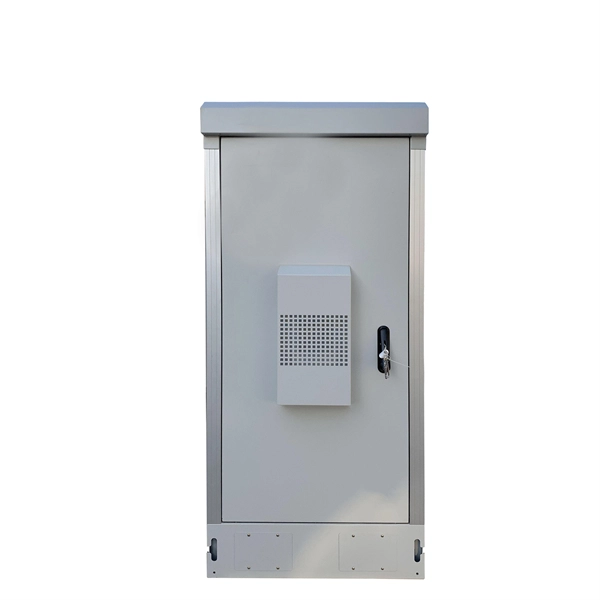
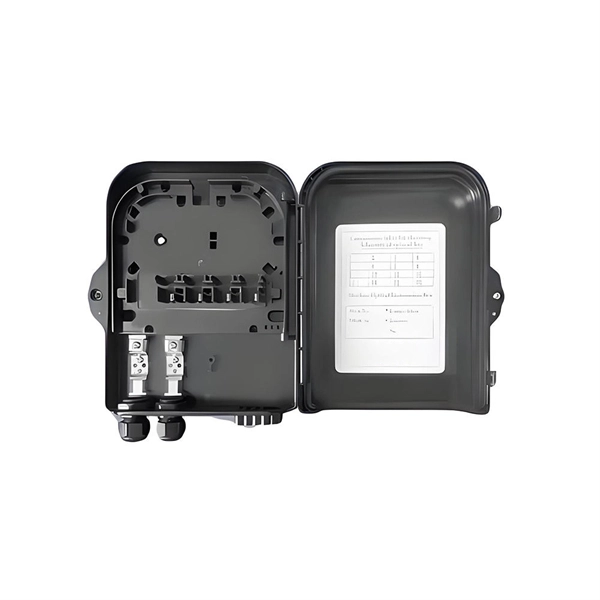
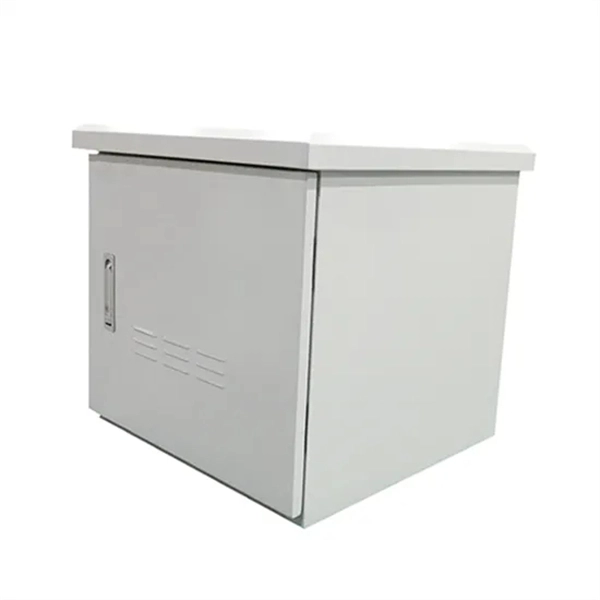
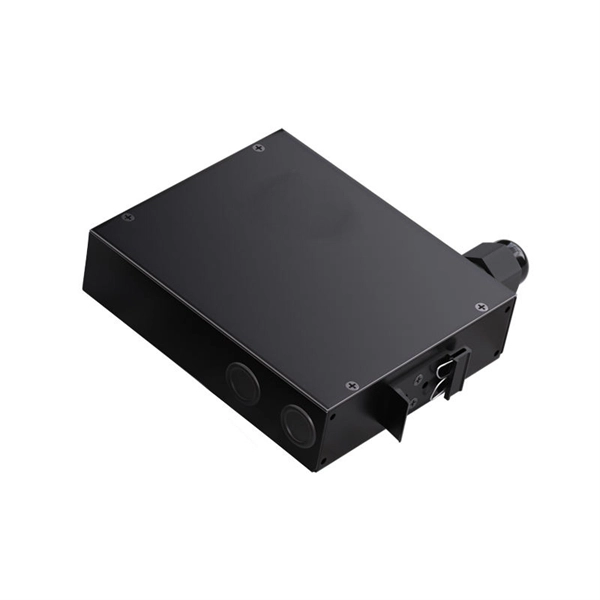
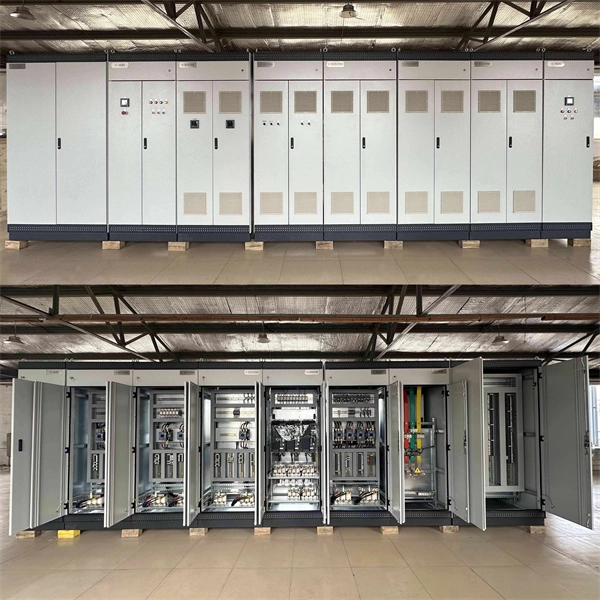
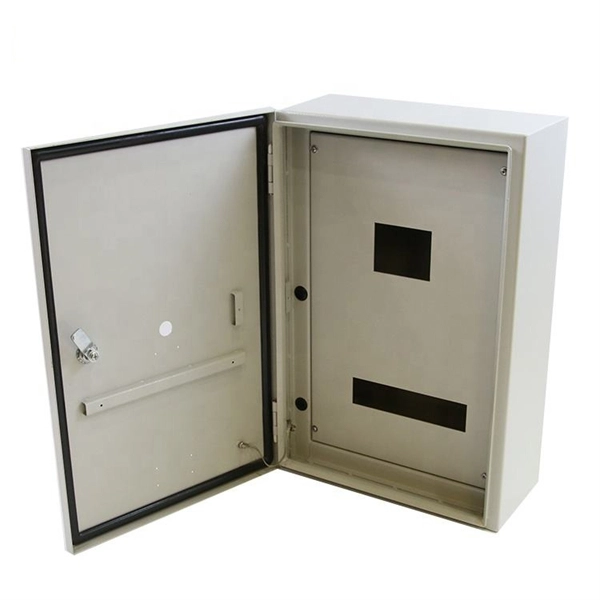
A properly configured power distribution box ensures safe, efficient, and code-compliant distribution of electricity through correct enclosure selection, internal layout, protective devices, wiring, and grounding.Enclosure Selection and PlacementThe distribution box should be chosen based on application type (residential, commercial, industrial, outdoor, or temporary power), supply system (single-phase, three-phase, AC/DC, TN/TT/IT), and environmental conditions. The enclosure must have an appropriate IP or NEMA rating to protect against dust, moisture, and impact, with steel preferred for durability and plastic for indoor setups . Install the box in a dry, ventilated, and accessible location, typically 1.5–1.8 meters above the ground, using secure mounting brackets or screws to prevent movement .Internal Components and LayoutInside the box, key components include:Main switch or isolator for emergency disconnectionCircuit breakers (MCBs), RCDs, RCBOs, or fuses for individual circuit protectionBusbars for phase distributionNeutral and earth bars for proper groundingSurge protective devices (SPDs) for transient voltage protectionDIN rails for modular mounting of devices The internal layout should allow neat cable management, sufficient spacing for heat dissipation, and clear labeling of circuits to facilitate maintenance and future expansion .Wiring and Safety RequirementsUse high-temperature resistant copper conductors with cross-sectional areas matching load current requirements.Ensure proper insulation, secure connections, and standardized wiring practices to prevent exposed conductors or misidentification.All metallic parts, including the box, mounting plates, and appliance casings, must be reliably grounded.Install a leakage protector or RCD to enhance safety against electric shock .Cable entries and cover joints should be well-sealed to maintain enclosure integrity.Protective Device StrategyEach outgoing circuit should have its own protection device. The selection depends on:Rated current and short-circuit capacity based on actual load and fault currentType of protection: MCB, RCCB, RCBO, fuse, isolator, or main breakerSurge protection for sensitive equipment or outdoor installations Compliance and DocumentationFollow IEC, NEC, UL, CE, or local codes for design and installation.Use certified components and maintain installation records for inspections.Consider modular designs to simplify future upgrades and maintenance .Testing and MaintenancePerform visual inspections and multimeter tests before powering on.Schedule regular maintenance and inspections to ensure long-term reliability.Label all circuits clearly and maintain a schematic diagram for reference . By adhering to these configuration requirements, a power distribution box can safely and efficiently manage electrical distribution while ensuring compliance with safety standards and facilitating future modifications.