Requirements for Electrical Distribution Boxes on Australian Construction Sites

Electrical distribution boxes on Australian construction sites must comply with AS/NZS 3012:2019, ensuring safe installation, RCD protection, earthing, and regular inspection.Regulatory FrameworkElect...

HOME / Requirements for Electrical Distribution Boxes on Australian Construction Sites - DKN Access Networks & Consulting
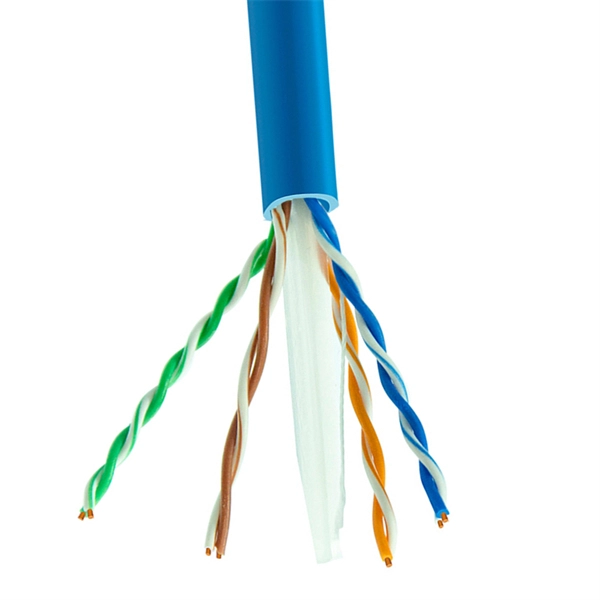
Requirements for Electrical Distribution Boxes on Australian Construction Sites

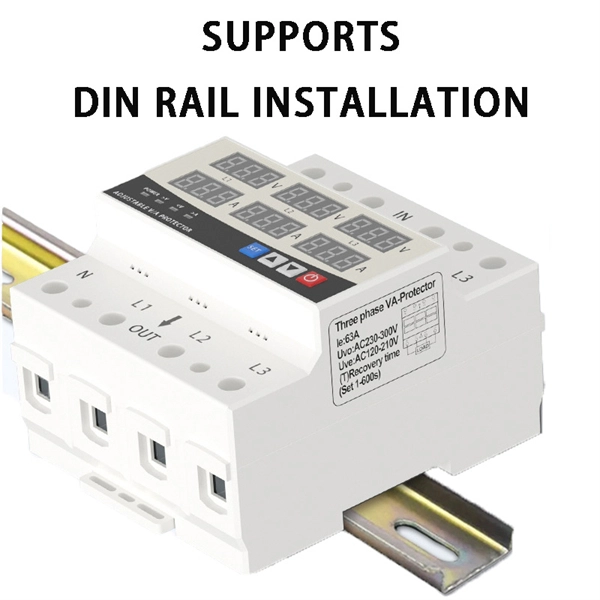
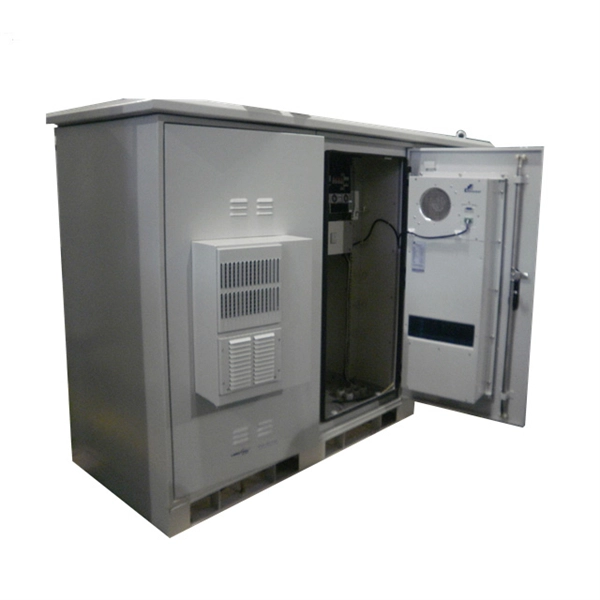
Electrical distribution boxes on Australian construction sites must comply with AS/NZS 3012:2019, ensuring safe installation, RCD protection, earthing, and regular inspection.Regulatory FrameworkElectrical distribution boxes, also known as temporary switchboards, are governed by AS/NZS 3012:2019 Electrical installations – construction and demolition sites, which is mandatory under the Work Health and Safety Regulation 2025. This standard complements AS/NZS 3000 (Wiring Rules) and sets minimum requirements for temporary electrical installations supplying power to construction equipment, lighting, and tools .Key Requirements1. Compliance and CertificationDistribution boxes must comply with AS/NZS 3439.4 for switchboards and meet the specifications in Clause 2.3.2 of AS/NZS 3012:2019 .Only competent persons—trained and qualified—may install, maintain, or test these systems . 2. Residual Current Devices (RCDs)All circuits supplied from the distribution box must be protected by RCDs to prevent electrocution .RCDs must be tested prior to each use and at least once per day to ensure proper operation . 3. Earthing and BondingDistribution boxes must be properly earthed and bonded to maintain equipotential safety. Earth continuity and bonding must be verified according to AS/NZS 3760 .Insulation resistance testing is required for generators and inverters connected to the distribution system . 4. Mechanical Protection and Environmental ConsiderationsBoxes must be mechanically robust to withstand dust, moisture, and potential impact on construction sites .Cables and sub-circuits must be protected where damage is likely, including transitions between floors or high-traffic areas . 5. Labelling and DocumentationDistribution boxes and inverters must be clearly marked to indicate their type and installation situation, e.g., “isolated inverter” .Documentation of inspection, testing, and maintenance must be maintained on-site. 6. Installation and UseTemporary wiring from the distribution box should supply construction equipment, lighting, hoists, cranes, and auxiliary socket-outlet panels .Flexible cords connecting appliances are not considered part of construction wiring but must still comply with safety standards .Lockout/tagout procedures must be followed during maintenance or testing .Inspection and TestingInitial verification: Earth continuity, RCD operation, and insulation resistance must be tested before energising the system .Periodic testing: Distribution boxes and associated circuits must undergo regular inspection and testing to ensure ongoing compliance and safety .Practical ConsiderationsDistribution boxes should be located in accessible, dry, and secure areas.All personnel must be trained in safe operation and emergency procedures, including isolation and lockout .Temporary installations must be removed or de-energised once construction work is complete or when permanent wiring is available . By adhering to these requirements, construction sites can ensure safe, compliant, and reliable electrical distribution, reducing the risk of electrical hazards for workers and equipment.
Requirements Electrical Distribution Boxes ONT

Building Construction Industry Guideline

Information provided in this publication has been prepared by industry representatives and is designed to address the issues of electrical safety on construction and demolition sites. This publication is
Have your say

European Commission - Have your say Citizens and businesses can share their views on new EU policies and existing laws.
WordHTML

WordHTML - Online Converter, Editor and Cleaner Free online Word to HTML converter with built-in code cleaning features. Open, edit and save Word documents online for free and download them in
WA Electrical Requirements

The Department of Mines, Industry Regulation and Safety (DMIRS), Building and Energy Division, following consultation with network operators and the electrical contracting industry, prepared this
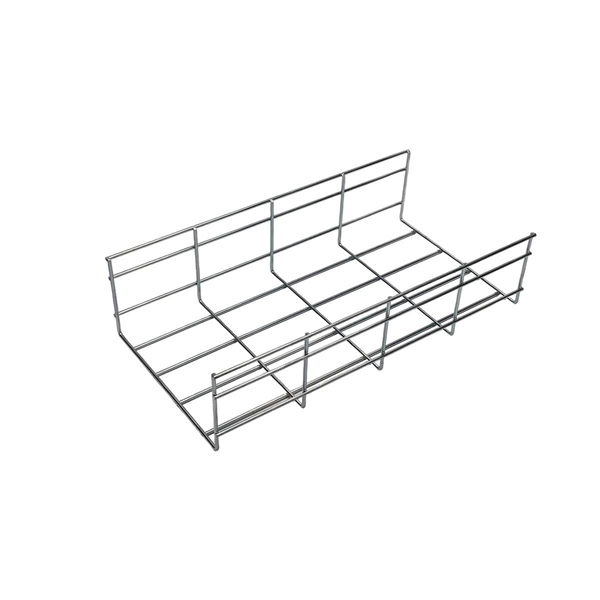
Electrical wiring on construction sites

Explains basic requirements for construction wiring on construction and demolition sites according to AS/NZS 3012.
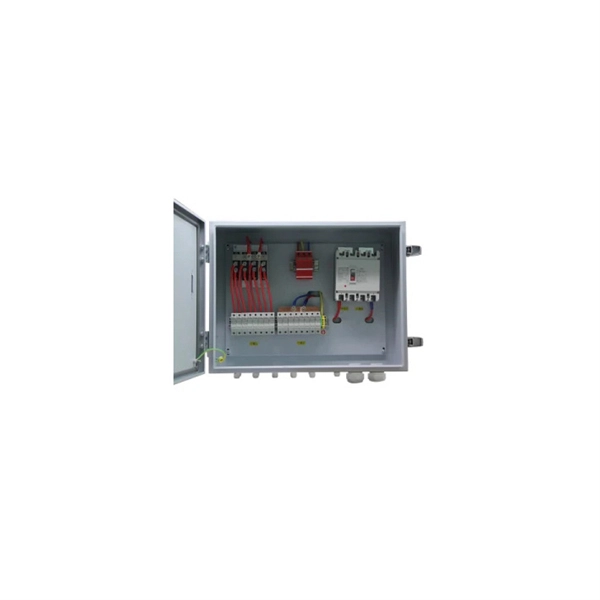
Electrical practices — construction and demolition sites fact sheet

The standard sets out minimum requirements for the design, construction and testing of electrical installations that supply electricity to appliances and equipment on construction and demolition sites,

Wiley Online Library

Hier sollte eine Beschreibung angezeigt werden, diese Seite lässt dies jedoch nicht zu.
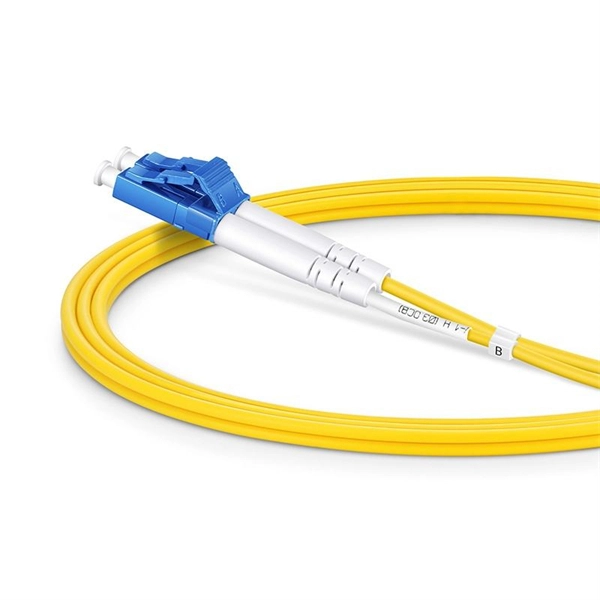
Installation Products | ABB Electrification U.S.

Installation Products ABB Installation Products is powering and protecting your world through reliable electrical products in sustainable ways. As electrical infrastructures age and new demands for power
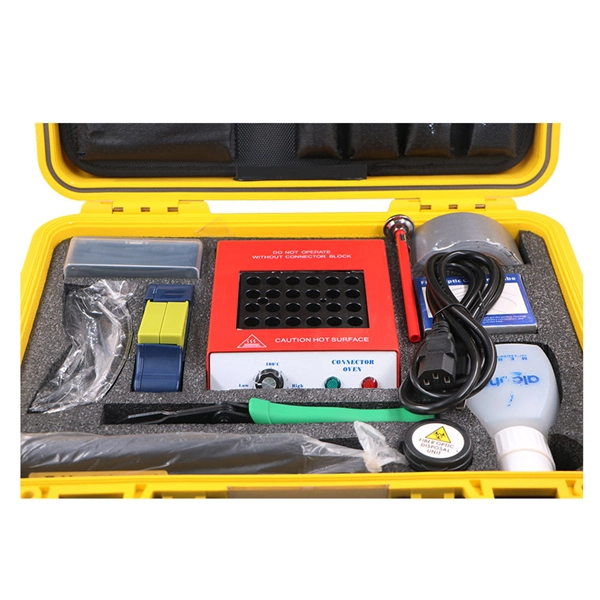
Annexure C

Electrical cubicles, distribution boards up to 250A and Junction boxes must be designed and constructed conforming to the General Electrical Requirements and this Annexure.
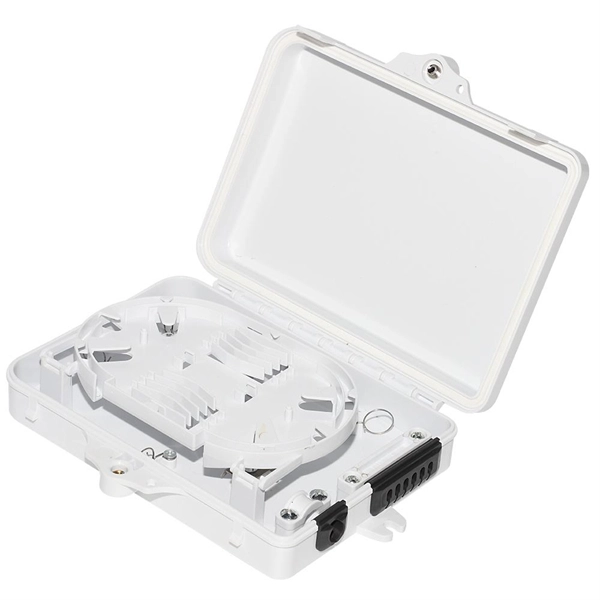
Zacks Investment Research

Hier sollte eine Beschreibung angezeigt werden, diese Seite lässt dies jedoch nicht zu.

Reuters | Breaking International News & Views

Find latest news from every corner of the globe at Reuters , your online source for breaking international news coverage.
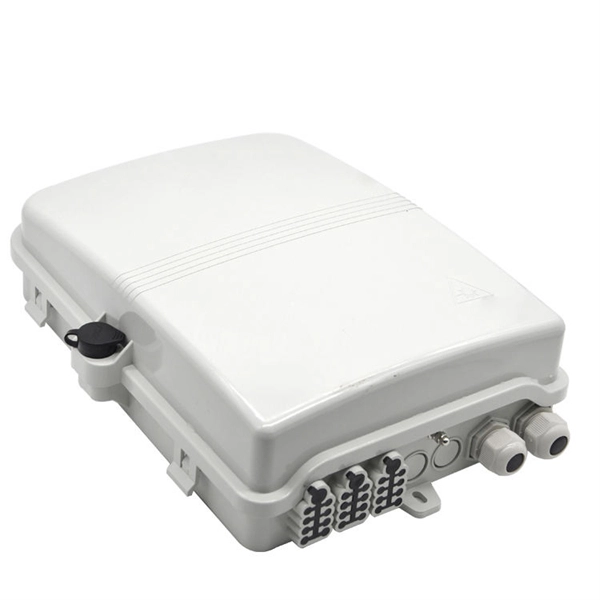
Electrical standards, rules and notes

Building Commission NSW has a selection of advisory notes for the electrical industry. These provide information on technical solutions, compliance and installation requirements, as well
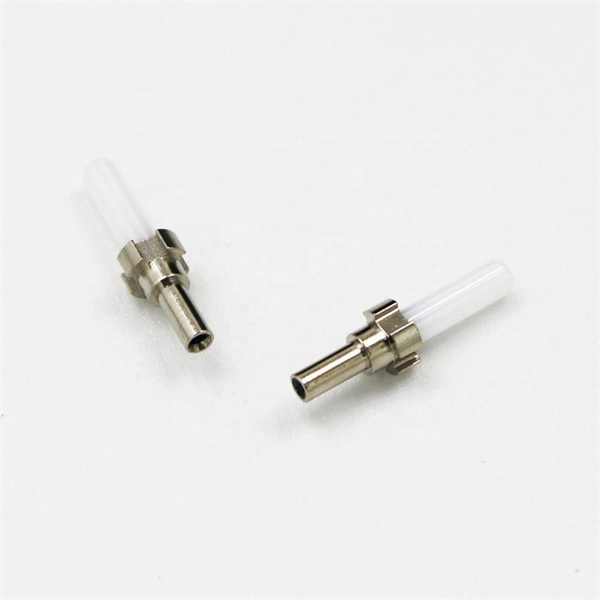
Statista

Find statistics, consumer survey results and industry studies from over 22,500 sources on over 60,000 topics on the internet''s leading statistics database
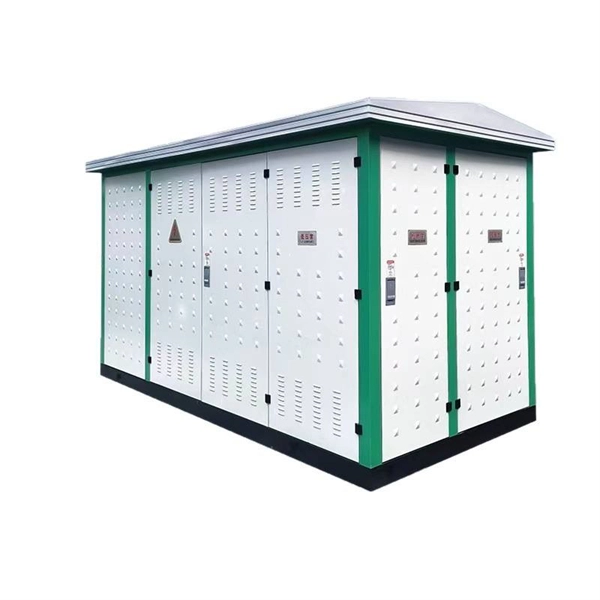
WHS Standards Spotlight: Electrical installations for construction and

The standard provides essential procedures and requirements for the safe use of electricity on sites, focusing on minimising electrical risks during construction and demolition activities.
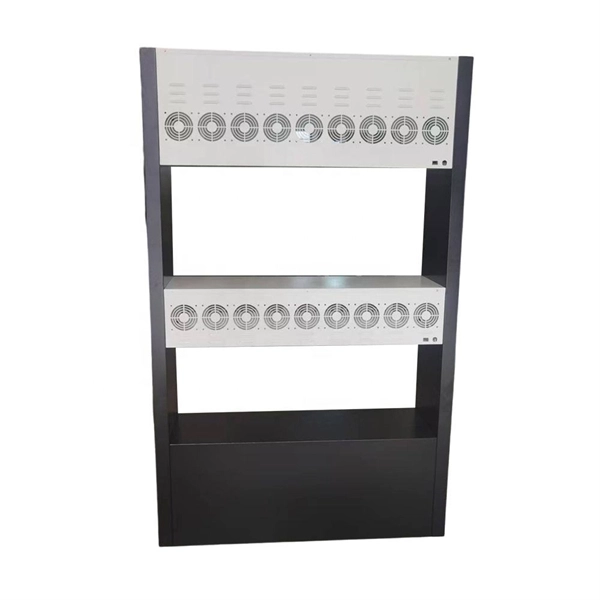
AS/NZS 3012 for electrical safety on construction sites

AS/NZS 3012 is a joint standard for Australia and New Zealand. It defines the safety requirements that should be put in place for electrical installations on construction and demolition sites.
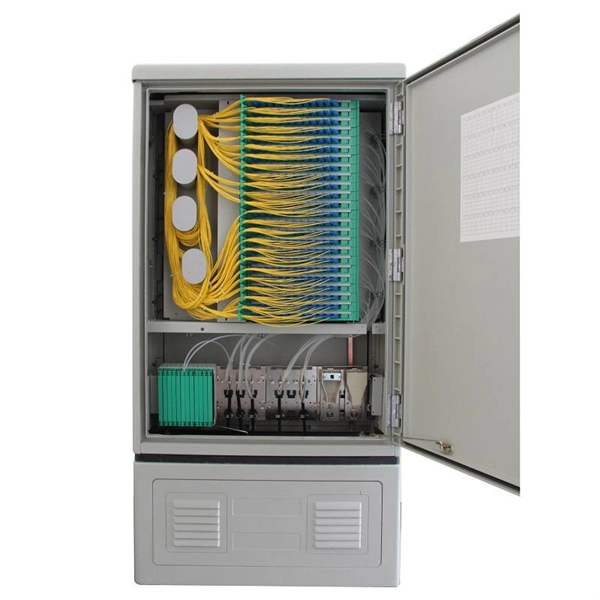
National Construction Code | NCC

National Construction Code The National Construction Code is Australia''s primary set of technical design and construction provisions for buildings. As a performance-based code, it sets the minimum

PON & FTTH Insights