Fiber Optic Cable Supply for Smart Buildings and Communication Systems
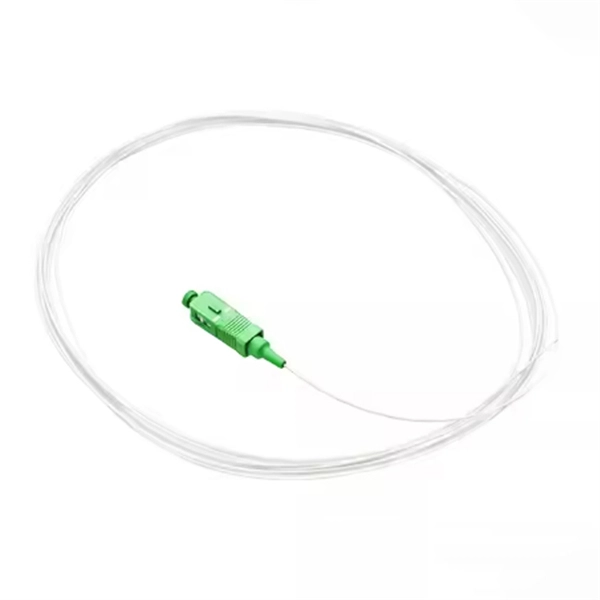
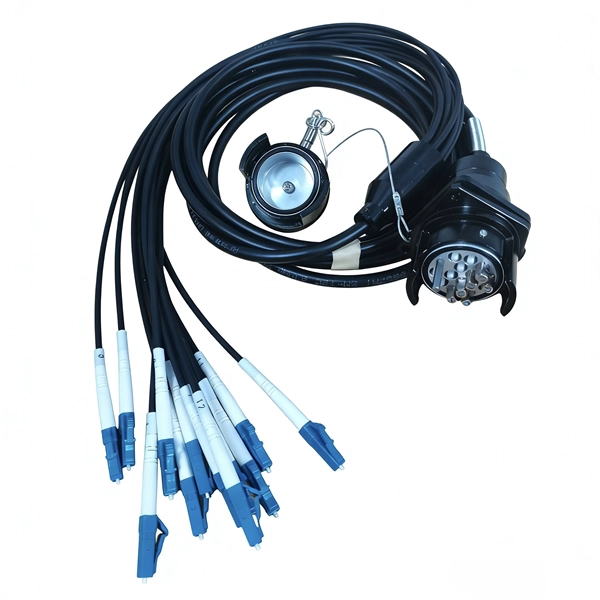
Fiber optic cabling is essential for smart buildings, providing high-speed, reliable, and future-proof connectivity for building management systems, IoT devices, and high-bandwidth applications.Key Benefits of Fiber in Smart BuildingsHigh-Speed Data Transmission: Fiber optic cables support ultra-fast data transfer, enabling real-time communication between sensors, controllers, and IoT devices, which is critical for HVAC, lighting, security, and energy management systems . Reliability and EMI Immunity: Unlike copper, fiber is immune to electromagnetic interference (EMI), making it ideal for environments with heavy electrical equipment or high-density cabling . Future-Proof Infrastructure: Fiber supports high-bandwidth applications such as 8K streaming, cloud computing, and 5G integration, reducing the need for costly upgrades as technology evolves . Energy Efficiency and Sustainability: Fiber networks can reduce power consumption and maintenance costs while enhancing operational efficiency and building sustainability . Security: Fiber-based networks are more secure against unauthorized access, protecting sensitive building data and IoT communications .Applications in Smart BuildingsBackbone Cabling: Fiber is commonly used for backbone connections between floors, buildings, or network closets (MDF/IDF interconnects), ensuring stable performance over long distances . Integration with BMS/BAS: Fiber enables seamless integration of building management systems, supporting protocols like BACnet and facilitating centralized control of HVAC, lighting, fire safety, and access systems . Indoor and Outdoor Deployment: Indoor tight-buffer fiber is used for structured cabling within buildings, while armored or ADSS fiber is suitable for outdoor aerial or campus installations . High-Density and High-Risk Areas: Fiber is preferred in areas with high upgrade risk, high device density, or significant EMI, providing reliable connectivity without pathway congestion .Best Practices for InstallationStandardize Cable Families: Use fiber for backbone links, Cat6/Cat6A for IP connections, and RS-485/KNX for field devices to simplify maintenance and reduce commissioning time . Labeling and Documentation: Standardize labeling, maintain spare pairs, and keep detailed routing records and test logs to facilitate upgrades and troubleshooting . Test and QC: Enforce end-to-end testing and quality control to ensure signal integrity and minimize downtime . Plan for Scalability: Design fiber networks to accommodate future IoT devices, higher bandwidth demands, and potential integration with smart city infrastructure .ConclusionImplementing fiber optic cabling in smart buildings ensures high-speed, reliable, and scalable connectivity that supports modern building automation, IoT integration, and future technological demands. Proper planning, standardization, and quality control are essential to maximize performance, reduce lifecycle costs, and maintain operational efficiency .