How to use an electronic intelligent power distribution cabinet
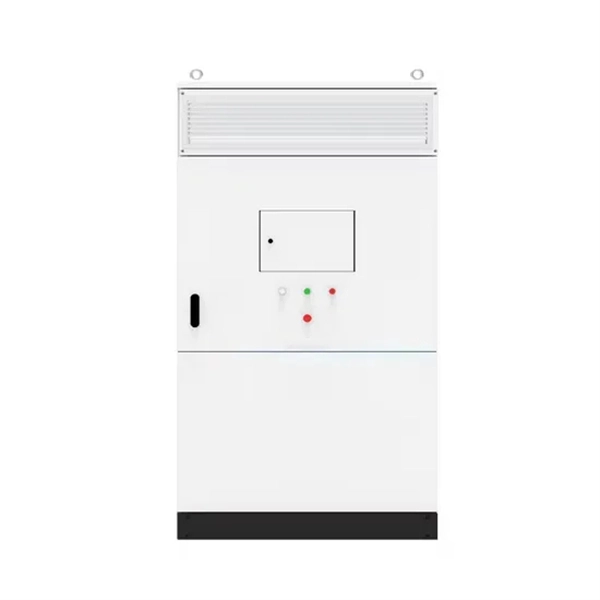
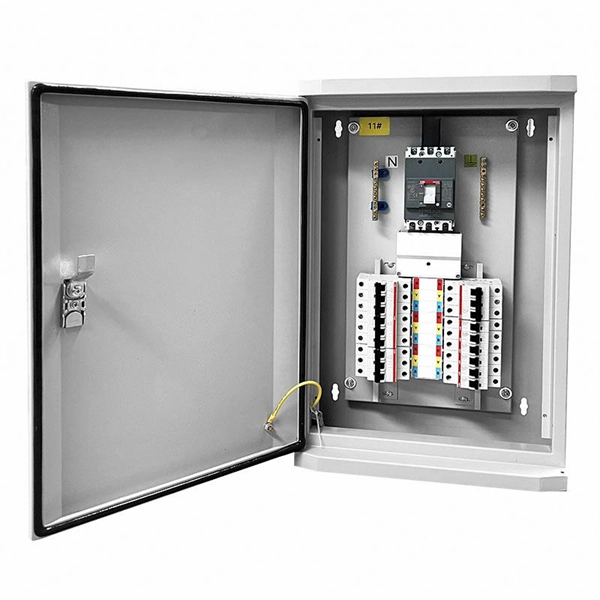
An electronic intelligent power distribution cabinet allows centralized, monitored, and remotely controllable power distribution for industrial or data center equipment.Understanding the CabinetAn intelligent power distribution cabinet integrates traditional circuit breakers with smart monitoring and control devices. Key components typically include:Industrial control touch screens (HMI) for system display and controlIntelligent gateways (Ethernet or Modbus interfaces) to connect circuit breakers and sensorsWireless sensors for temperature, humidity, and environmental monitoringULP, Ethernet, and Modbus cables for interconnections between devices and gateways These cabinets provide real-time monitoring, remote access, and granular control over power distribution, enabling administrators to optimize energy usage and prevent overloads .Installation StepsDetermine Requirements: Identify the power capacity, voltage, and network connectivity needed for your equipment .Prepare the Cabinet: Ensure sufficient space for the PDU, cabling, and sensors. Verify that the cabinet meets environmental protection standards if used outdoors .Mount the PDU: Secure the intelligent PDU or cabinet using provided brackets, ensuring proper alignment within the rack or enclosure .Connect Power Cables: Attach the input cable to the main power source (e.g., wall outlet or UPS) and connect output cables to the devices requiring power .Connect Network Interfaces: Use Ethernet, Wi-Fi, or Modbus connections to link the cabinet to your network for remote monitoring and control .Install Sensors: Place temperature, humidity, or other environmental sensors in appropriate locations and connect them to the cabinet gateway .Configuration and OperationAccess the Web Interface: Log in using default credentials and configure IP addresses, subnet masks, and gateways to integrate the cabinet into your network .Set User Permissions: Create accounts and assign roles for monitoring and control access.Monitor Power Usage: Use metered PDUs to track energy consumption at inlet and outlet levels, helping identify anomalies and optimize capacity planning .Control Outlets: Switched PDUs allow selective power cycling of devices, enabling maintenance, troubleshooting, or scheduled power sequencing .Leverage Analytics: Advanced cabinets can integrate with DCIM software for centralized monitoring, predictive maintenance, and energy efficiency optimization .Best PracticesRegularly check sensor readings and PDU logs to detect abnormal conditions early.Ensure proper cable management to prevent interference and maintain airflow.Update firmware and software to maintain security and functionality.Use environmental protection features if the cabinet is installed in harsh conditions, such as dust, vibration, or high humidity . By following these steps, an intelligent power distribution cabinet can provide reliable, efficient, and remotely manageable power distribution, enhancing operational safety and energy efficiency in industrial or data center environments .