Requirements for passive optical devices
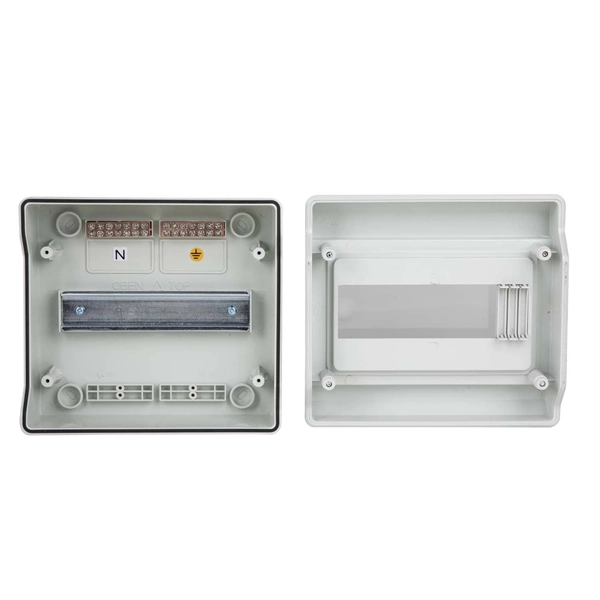
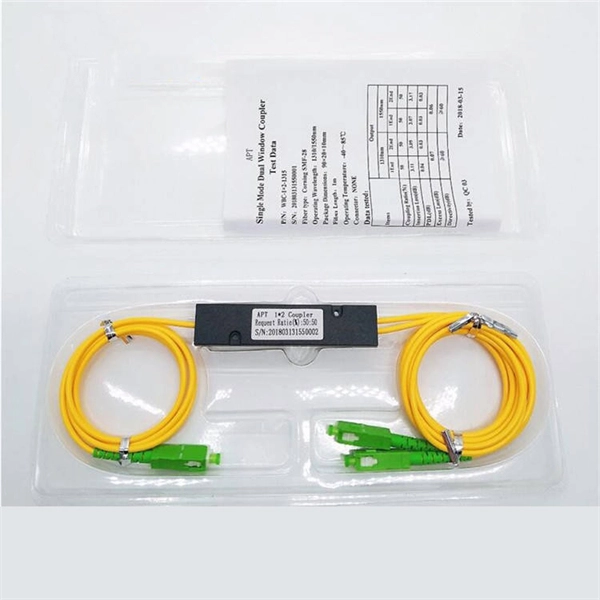
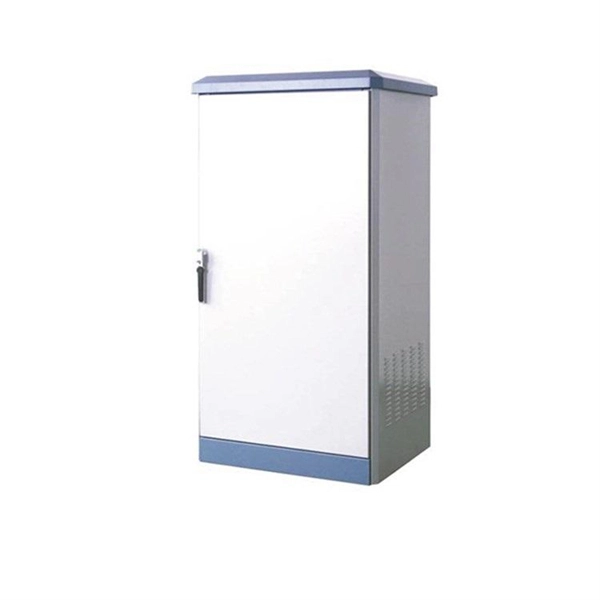
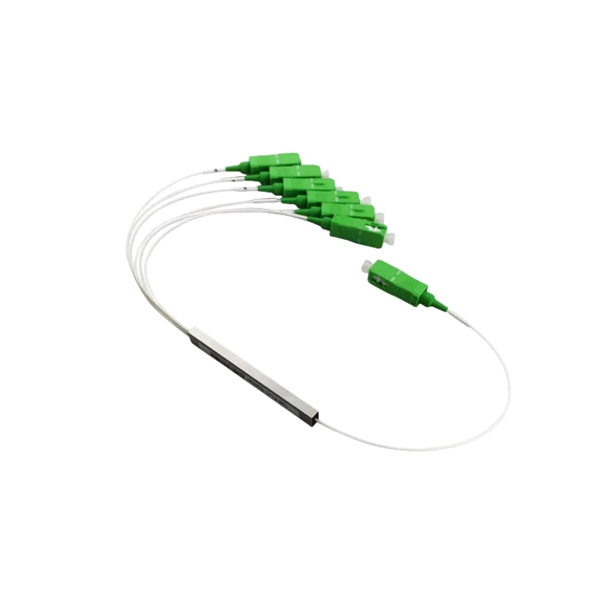
Passive optical devices must meet mechanical, environmental, optical, and reliability standards to ensure stable performance in telecommunications networks.Key Standards and GuidelinesITU-T L.210 specifies requirements for indoor passive optical nodes, such as optical wall outlets and extender boxes. It covers the housing design, fiber management system, mechanical and environmental characteristics, and defines a test plan for performance evaluation under indoor temperature-controlled (IC) or non-temperature-controlled (IN) conditions. The standard ensures optical stability, sealing performance, and resilience to network maintenance or reconfiguration interventions, with a maximum of four interconnection points for customer drop cables and patch cords/pigtails . ITU-T L.13 addresses outdoor passive optical nodes, focusing on closure housing design, fiber organizers, and environmental resilience. It includes simulations of network maintenance interventions and additional requirements for special environments such as tunnels or harsh outdoor conditions . Telcordia GR-1221 provides generic reliability assurance requirements for passive optical components, including splitters, couplers, and WDM multiplexers/demultiplexers. It ensures that devices function reliably over long periods under adverse environmental conditions. GR-1221 is used alongside GR-1209 and other Telcordia documents to guide design, manufacturing, and quality assurance processes . GR-468-CORE complements these by specifying reliability requirements for optoelectronic devices used in telecommunications equipment, covering mechanical, thermal, and operational stress tests .Functional and Performance RequirementsMechanical Performance: Devices must withstand handling, installation, and operational stresses without damage.Environmental Resistance: Components should tolerate temperature variations, humidity, dust, and other environmental factors.Optical Stability: Passive devices must maintain low insertion loss, minimal back reflection, and consistent signal quality.Interconnection and Fiber Management: Proper routing, storage of fiber overlength, and secure interconnection points are required.Testing and Characterization: Devices are evaluated through standardized test programs simulating real-world conditions, including maintenance interventions and environmental stress .ApplicationsPassive optical devices are used in FTTH, FTTB, and GPON networks, serving as splitters, couplers, or interconnection points between optical line terminals (OLTs) and optical network units (ONUs). They enable cost-effective, low-maintenance signal distribution without requiring active power . In summary, passive optical devices must comply with mechanical, environmental, optical, and reliability standards defined by ITU-T and Telcordia to ensure long-term, stable performance in both indoor and outdoor telecommunications networks.