Detailed Installation Process of Distribution Box
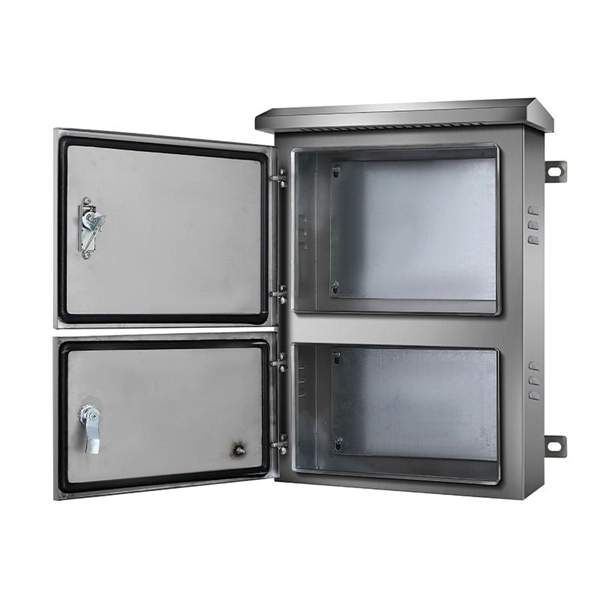
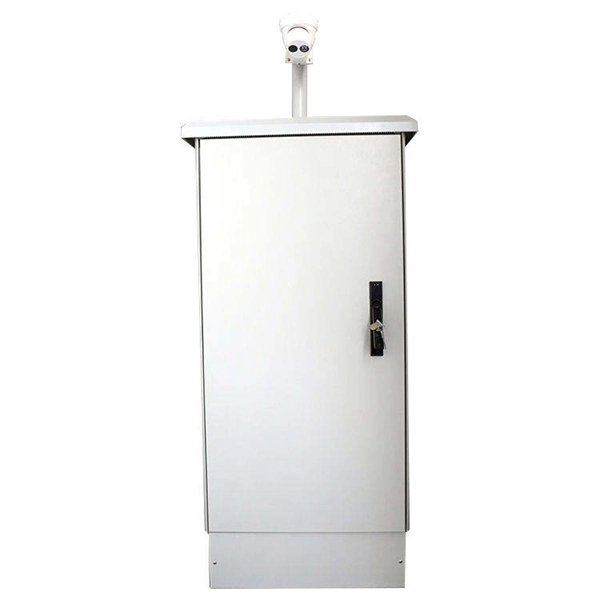
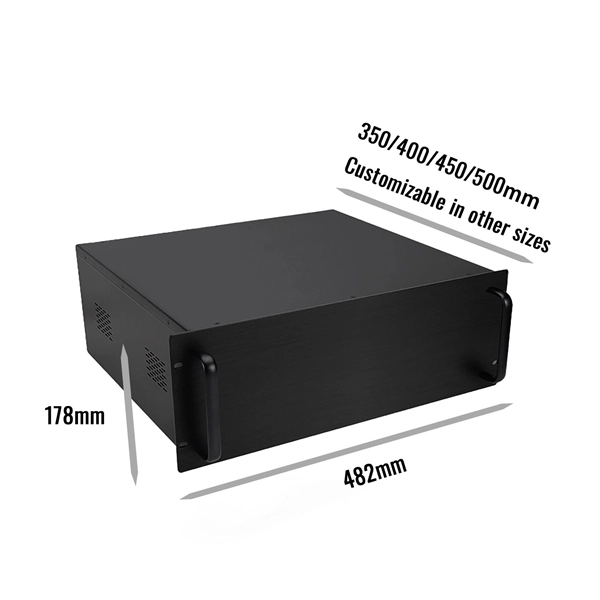
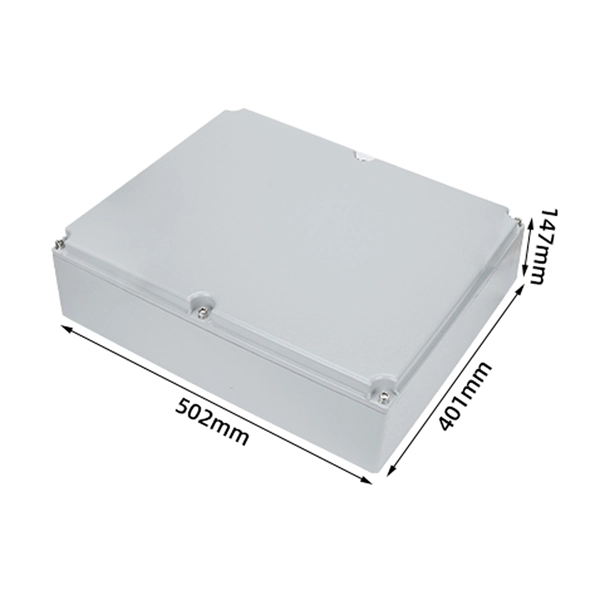
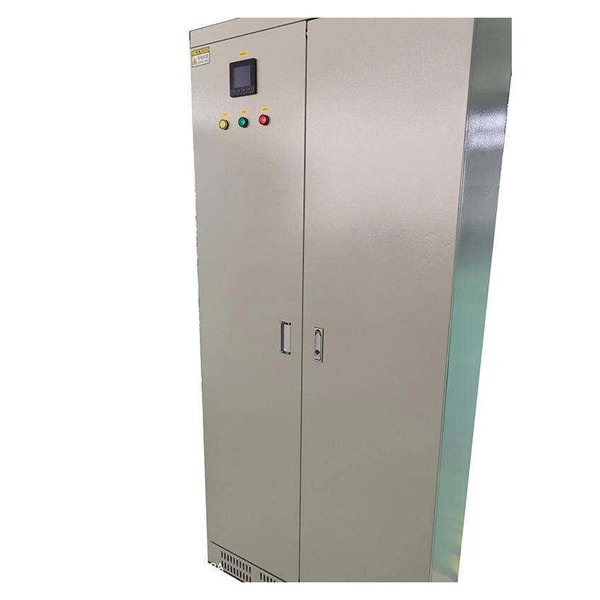
Installing a distribution box requires careful site selection, proper mounting, correct wiring, and adherence to safety standards to ensure reliable and safe power distribution.1. Site Selection and PreparationChoose a location that is accessible, dry, and free from flammable or corrosive substances. The box should be near the main power supply for easy connection and maintenance, and it should allow sufficient space for electricians to work safely . For outdoor installations, select a box with an appropriate IP rating (e.g., IP66) to protect against dust and water ingress . Conduct a detailed survey of the site to determine the exact mounting position and ensure compliance with local electrical codes .2. Selecting the Right Distribution BoxType: Residential, commercial, or industrial, depending on load requirements .Material: Rust-proof, UV-resistant, and waterproof materials for outdoor or humid environments .Capacity: Ensure the box can handle current needs and allow for future expansion .Internal Components: Check for circuit breakers, fuses, RCCBs, busbars, terminal blocks, and DIN rails for additional devices .3. Mounting the Distribution BoxUse mechanical anchors suitable for the wall type and box weight .Maintain recommended height for accessibility and ergonomic operation .Ensure proper earthing and bonding according to local standards .For outdoor boxes, seal cable entry points and verify IP compliance to prevent water ingress .4. Wiring and ConnectionsConnect the main power supply to the main MCB or main switch .Distribute power to branch circuits via single-pole or double-pole MCBs .Install RCCBs for protection against leakage currents and electrical shocks, ensuring the rating matches the main MCB .Use correct wire gauge to prevent overheating and ensure secure, tight connections .Organize internal wiring neatly using cable entry points and DIN rails for easy maintenance .5. Safety Checks and CommissioningVerify all connections are tight and correctly rated for each circuit .Test protective devices (MCBs, RCCBs, fuses) before energizing the system .Ensure surge protection is installed if required, especially in areas with unstable power .Follow local electrical codes and standards to ensure legal compliance and safety .6. Maintenance ConsiderationsSchedule regular inspections to check for loose connections, corrosion, or dust accumulation .Ensure easy access for future troubleshooting and upgrades .Keep documentation of wiring diagrams and protective device ratings for reference . By following these steps, a distribution box can be installed safely, efficiently, and in compliance with electrical standards, ensuring reliable power distribution and protection for all connected circuits.