Cold aisle 47U vs copper cable vs fiber optic cable
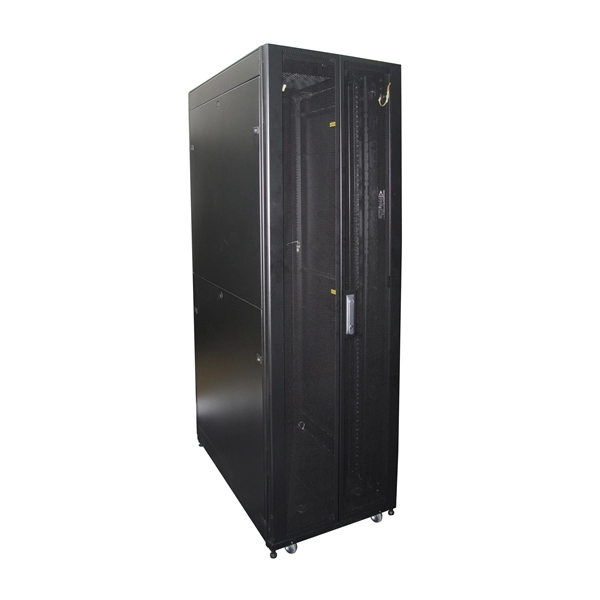
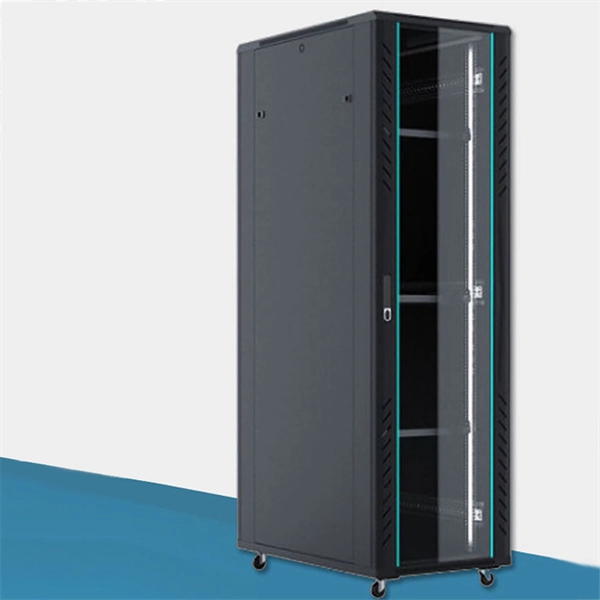
Cold aisle 47U is a data center cooling and rack configuration, while copper and fiber optic cables are transmission media with distinct performance, distance, and cost characteristics.Cold Aisle 47UA cold aisle 47U refers to a standard data center rack configuration where 47 rack units (U) are stacked vertically, typically in a cold aisle containment setup. Cold aisle containment is a cooling strategy that directs cold air from the data center's air conditioning system to the front of server racks, improving energy efficiency and preventing hot air recirculation. This setup is crucial for high-density deployments, ensuring that servers, switches, and cabling operate within safe temperature ranges. The 47U height allows for maximum equipment density while maintaining airflow and accessibility.Copper CableCopper cables transmit data using electrical signals and are commonly used in LANs and short-distance connections. Key characteristics include:Distance: Typically up to 100 meters for Cat5e, Cat6, or Cat6a cables, making them ideal for office or small enterprise networks .Power Delivery: Copper supports Power over Ethernet (PoE), allowing devices like IP cameras, VoIP phones, and wireless access points to receive both data and power through the same cable .Cost: Copper is generally cheaper and easier to deploy, especially in existing infrastructures .Bandwidth and Interference: Copper has lower bandwidth and is susceptible to electromagnetic interference (EMI), which can limit performance over longer distances .Mechanical Properties: Copper offers high tensile strength and ductility, making it durable for short-range installations .Fiber Optic CableFiber optic cables transmit data using light, offering high-speed, long-distance communication. Key characteristics include:Distance: Can span hundreds of meters to several kilometers depending on single-mode or multi-mode fiber, ideal for campus or inter-building links .Bandwidth: Extremely high bandwidth, capable of handling large volumes of data at near-light speed .Interference: Immune to EMI and electrical hazards, providing secure and reliable transmission .Cost: Higher initial installation cost compared to copper, though maintenance costs are often lower .Power Delivery: Cannot deliver power directly; devices require separate power sources .Practical ConsiderationsIntegration with Cold Aisle 47U: Both copper and fiber cables can be deployed within 47U racks, but fiber is preferred for high-density, long-distance, or high-bandwidth applications, while copper is suitable for short-range connections with PoE requirements.Network Design: Many data centers use a hybrid approach, leveraging fiber for backbone and inter-rack connections and copper for powered endpoints or short links .Cost vs Performance: Copper is cost-effective for short distances and PoE, while fiber provides superior speed, distance, and immunity to interference, making it essential for modern high-performance networks . In summary, cold aisle 47U optimizes cooling and rack density, copper cables are cost-effective for short-range, powered connections, and fiber optic cables excel in high-speed, long-distance, and interference-free data transmission. Choosing the right combination depends on network distance, power needs, device density, and budget.