Purpose of Fiber Optic Communication in Power Plants
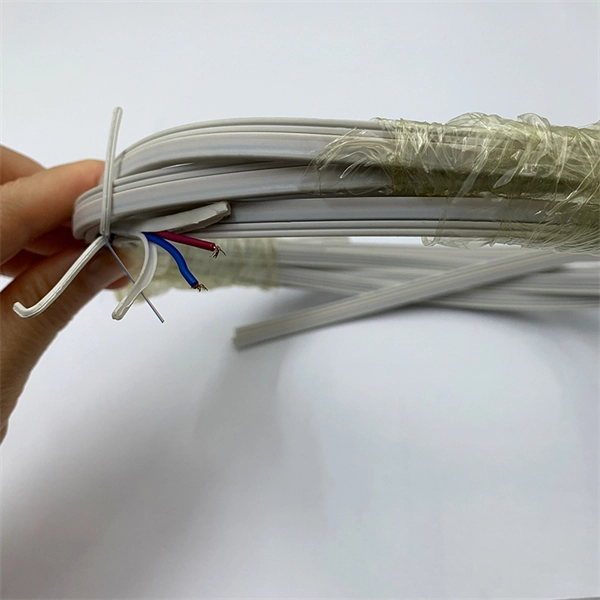
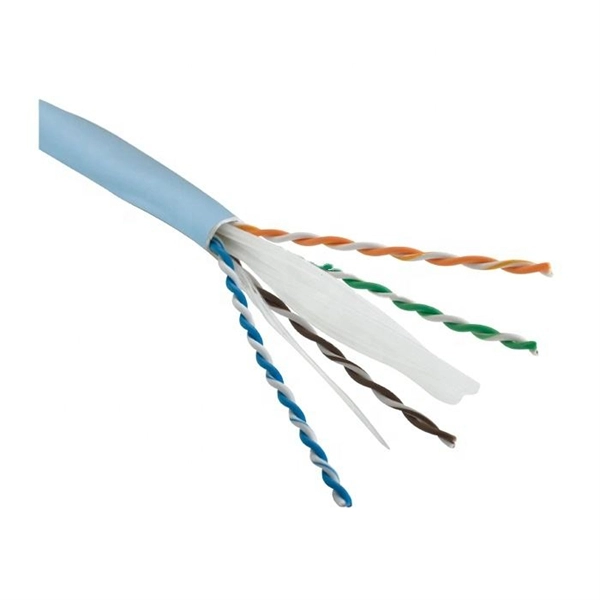
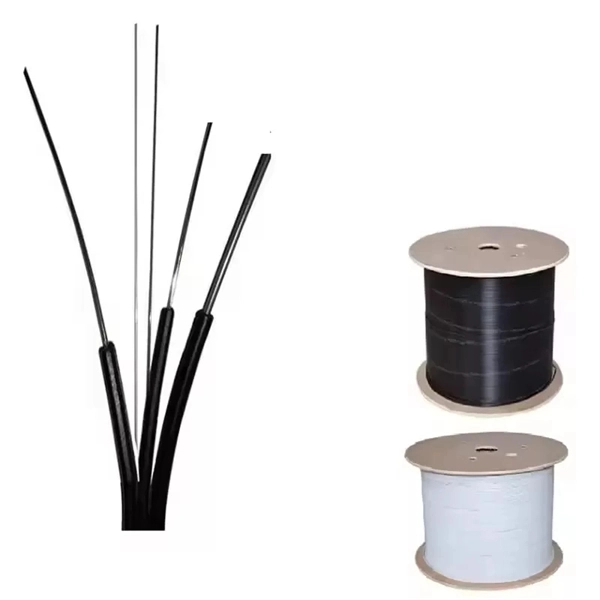
Fiber optic communication in power plants ensures high-speed, reliable, and safe data transmission for monitoring, control, and protection of electrical systems.High-Speed and Reliable Data TransmissionFiber optic cables transmit data as pulses of light, allowing high-speed communication over long distances with minimal signal loss. This capability is critical in power plants, where real-time monitoring and control of equipment are essential for operational efficiency and safety . Unlike copper cables, fiber optics are immune to electromagnetic interference, which is common in high-voltage environments, ensuring uninterrupted communication .Safety and Electrical IsolationFiber optics provide electrical isolation, protecting workers and sensitive equipment from high-voltage hazards. This is particularly important in substations and power generation facilities, where direct electrical connections could pose serious risks . By using light instead of electrical signals, fiber optic systems reduce the chance of electrical accidents while maintaining robust communication.Real-Time Monitoring and ControlFiber optic communication enables real-time monitoring of power plant systems, including temperature, vibration, and environmental conditions. Sensors integrated with fiber optics can detect anomalies, such as cable stress or equipment overheating, and transmit alerts instantly to control centers . This allows operators to respond quickly, preventing outages and minimizing downtime.Integration with Hybrid and Smart Grid SystemsModern power plants often use hybrid cables, combining copper for power and fiber optic strands for data. This integration streamlines infrastructure, reduces installation complexity, and supports smart grid technologies, enabling automated control, intelligent monitoring, and efficient power distribution . Fiber optics also facilitate predictive maintenance by analyzing historical data to anticipate potential failures.Enhanced Security and Infrastructure ProtectionFiber optic sensing can enhance perimeter security and protect critical infrastructure. Changes in light transmission caused by vibrations or intrusions are detected and processed in real-time, improving both security and operational reliability . This capability is particularly valuable for large power plants with expansive facilities.SummaryIn power plants, fiber optic communication serves multiple purposes: it ensures fast, reliable, and interference-free data transmission, protects personnel and equipment from electrical hazards, enables real-time monitoring and control, supports smart grid and hybrid cable systems, and enhances security and infrastructure protection. These advantages make fiber optics an indispensable technology for modern electrical power systems .