Wiring for Future Intelligent Distribution Boxes
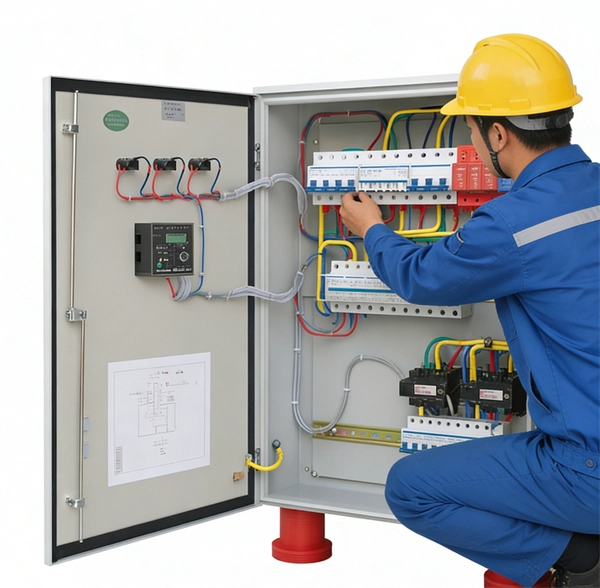
Intelligent distribution boxes require precise wiring using modular, PCB-integrated, and sensor-enabled techniques to ensure safety, efficiency, and real-time monitoring.Key Wiring Principles1. Modular and Standardized Architecture Intelligent distribution boxes often use modular designs with standard guide rails and pre-defined slots for circuit breakers, relays, and sensors. Each device is connected to a PCB circuit board with printed parallel wires, enabling parallel connections and data communication between devices . This modular approach simplifies installation, allows easy replacement, and ensures consistent electrical safety. 2. PCB and Parallel Wiring Integration Modern intelligent boxes embed PCB boards in grooves of the guide rail, with printed parallel wires connecting multiple circuits. Elastic contact pieces ensure secure communication between devices and the PCB, allowing each device to independently feed back data to the central processing unit . This reduces wiring complexity and enhances reliability. 3. Sensor and Monitoring Connections For smart boards, voltage and current sensors are wired to the microcontroller or edge-computing unit. These sensors measure RMS values of line voltage and current, transmitting data via Wi-Fi or IoT protocols to a cloud platform for real-time monitoring and automated control . Proper shielding and separation of power and data lines are critical to prevent interference. 4. Safety and Fault Protection Wiring Wiring must integrate overload protection, short-circuit protection, and surge protection. Intelligent circuit breakers and solid-state relays are wired to allow rapid disconnection in case of faults. Pyro fuses or main fuses can be used for fast current cut-off, especially in automotive or high-risk applications . Wiring should maintain clear separation between high-current and low-voltage control circuits. 5. Professional Techniques and Tools High-quality connections require precise cutting, stripping, and crimping of wires. Heat shrink tubing, torque-controlled screwdrivers, and hydraulic pliers are recommended to ensure secure and durable connections . Labeling and color-coding wires improve maintenance and troubleshooting. 6. Compliance and Documentation Wiring should follow ISO50001, LEED, or local electrical standards. Using pre-defined reference architectures and detailed documentation from manufacturers like ABB or LEONI helps avoid errors and ensures compliance . Customization is possible for specific voltage levels (12V, 24V, 48V) and application requirements.Practical TipsKeep power and data lines separate to reduce electromagnetic interference.Use modular connectors for easy replacement and maintenance.Ensure secure grounding for all components.Test each circuit individually before full system integration.Document all wiring paths and connections for future troubleshooting. By following these wiring techniques, intelligent distribution boxes can achieve efficient energy distribution, real-time monitoring, and enhanced safety, supporting both residential and industrial smart grid applications .