Professional Network Cabling
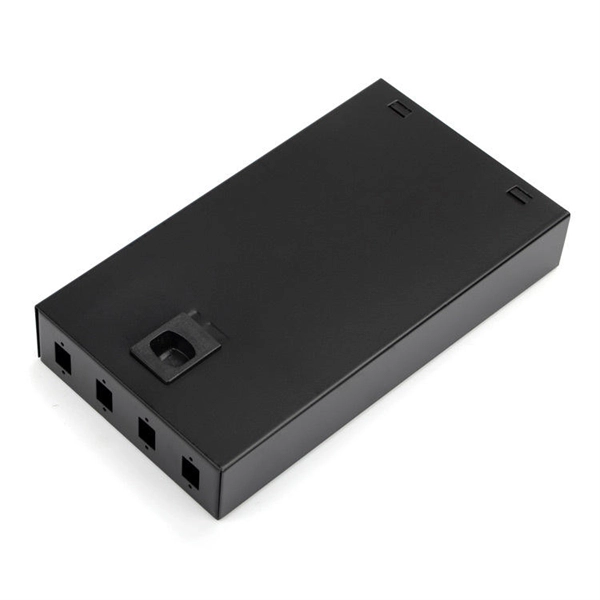
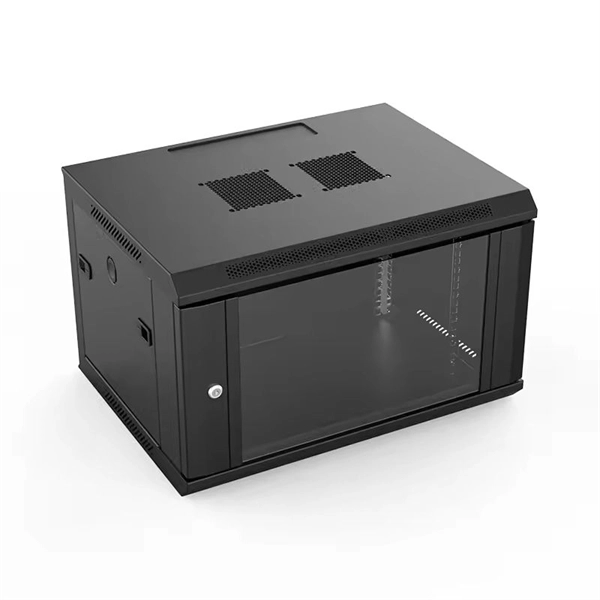
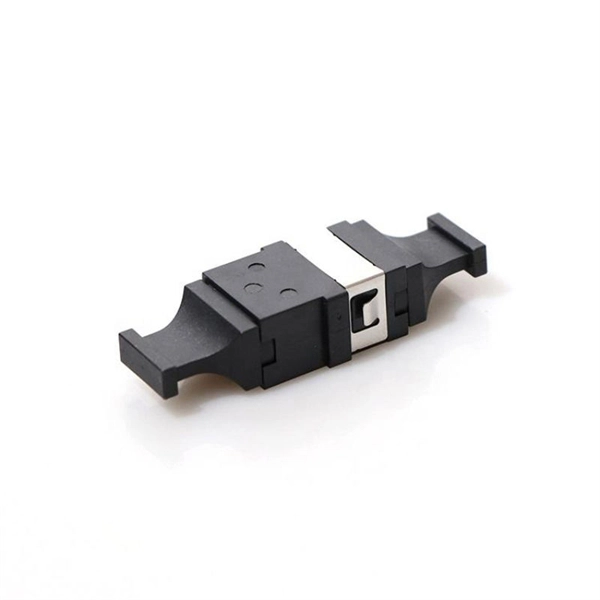
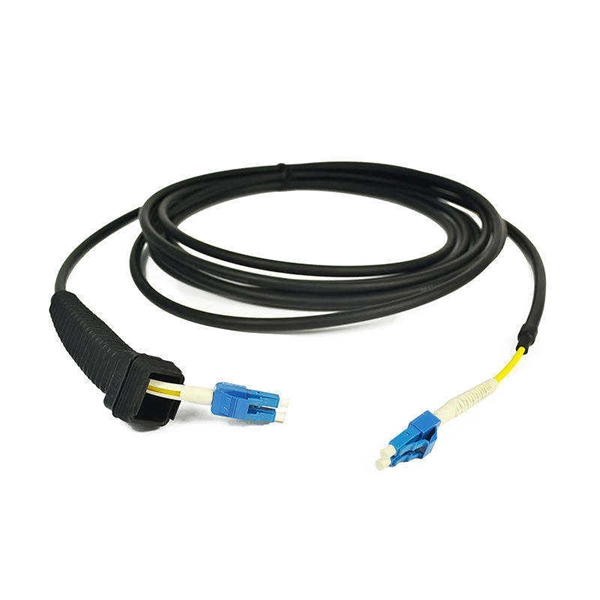
Professional network cabling ensures reliable, high-speed, and scalable connectivity for businesses and homes, supporting both current and future IT infrastructure needs.Overview of Professional Network CablingProfessional network cabling involves the design, installation, and maintenance of structured cabling systems that connect devices, servers, and network equipment. It forms the backbone of any wired or wireless network, enabling high-speed data transfer, secure communications, and long-term scalability . Proper cabling reduces downtime, improves network performance, and supports emerging technologies like VoIP, Wi-Fi, and high-bandwidth applications .Key Components and StandardsEthernet Cables: Cat6, Cat6A, and Cat8 are commonly used for high-speed data transmission, with Cat6A supporting 10 Gbps over 100 meters and Cat8 suitable for short-distance 25–40 Gbps links .Fiber Optic Cables: Single-mode and multi-mode fibers (OM4/OM5) provide faster data transfer over longer distances, ideal for backbones and data centers .Structured Cabling: Standardized cabling systems organize data, voice, and video connections, simplifying management and troubleshooting .Cable Management: Trays, labeling, and proper bundling prevent tangling, improve airflow, and reduce fire hazards .Installation Best PracticesSite Survey and Design: Assess current and future bandwidth needs, plan cable pathways, and ensure compliance with TIA/EIA standards and local building codes .Cable Pathway Preparation: Install conduits, raceways, and cable trays to protect cables and maintain organization.Pulling and Termination: Use keystone jacks for copper and LC/SC/MPO connectors for fiber, respecting bend radius guidelines to prevent damage .Testing and Certification: Verify continuity, crosstalk, and signal integrity using certified testing equipment, providing documentation for each link .Documentation and Handover: Maintain floor plans, test reports, and rack elevations for future maintenance and scalability.Benefits of Professional CablingEnhanced Performance: High-quality cabling supports faster data transfer and reduces latency .Reliability and Uptime: Reduces network outages and maintenance costs .Scalability: Structured systems allow easy expansion as business needs grow .Security and Compliance: Properly installed cabling protects data and meets regulatory standards .Organized Infrastructure: Neat, labeled cabling simplifies troubleshooting and improves aesthetics .Local Providers and SuppliersProfessional Cable (Port Angeles, WA): Offers Cat6, Cat6A, fiber optic cords, and networking hardware with fast shipping across Washington State .Network Wiring Services (Western Washington): Provides structured cabling, AV systems, and network installation for commercial and residential clients .TSW Networks (Seattle, WA): Specializes in structured data cabling, fiber optic installation, and business phone systems throughout the Pacific Northwest .Professional Network Cabling LLC (Chattanooga, TN): Offers structured data cabling, AV services, and network troubleshooting for various projects .ConclusionInvesting in professional network cabling ensures a reliable, high-performance, and future-proof network infrastructure. Whether for a small office, large enterprise, or residential setup, structured cabling, proper installation, and ongoing maintenance are critical to maximizing network efficiency, security, and scalability .